Most people think of burnout as exhaustion.
And while exhaustion is certainly part of it, one of the more subtle signs of burnout is something many people don't notice until they look back:
The way you spend your free time starts to change.
Maybe you used to spend an evening reading, going for a walk, working out, cooking, meeting friends, or engaging in hobbies you genuinely enjoyed.
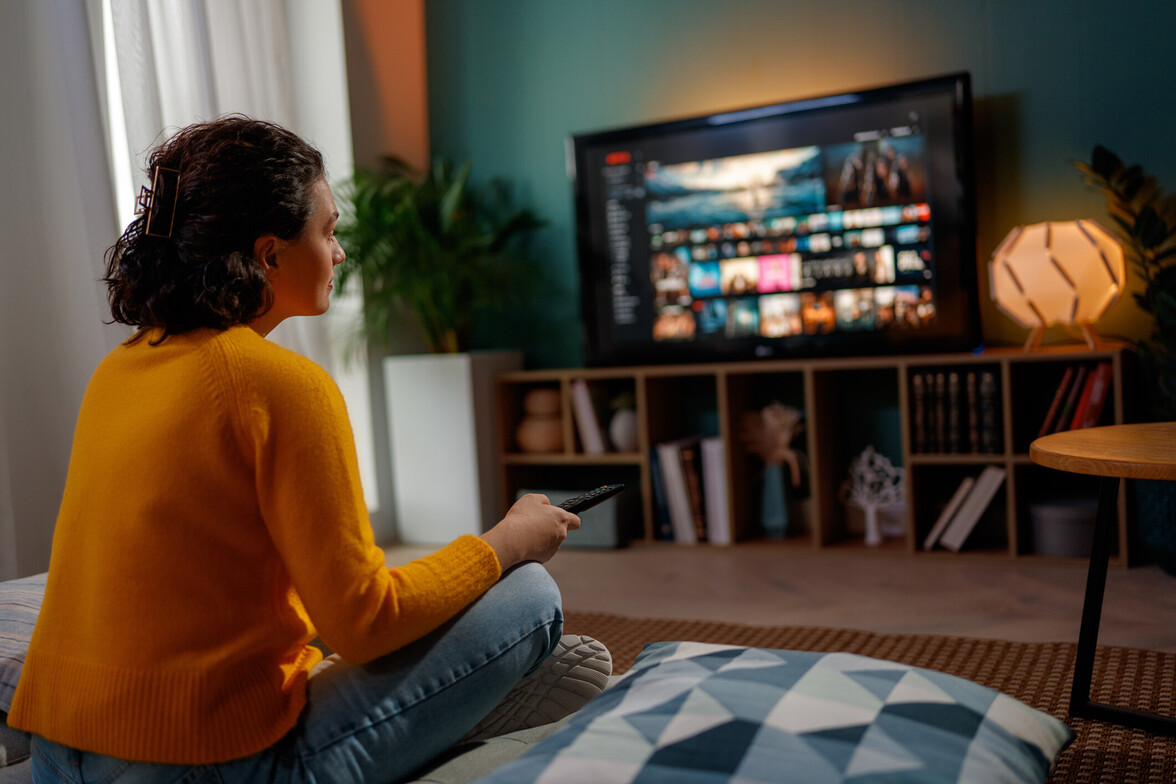
Now, whenever you finally have time to yourself, you find yourself collapsing onto the couch, endlessly scrolling social media, binge-watching television, napping for hours, or lying in bed without really feeling rested.
These activities aren't inherently bad. Sometimes they are exactly what we need.
But when they begin replacing almost every other form of leisure, they can be a clue that your internal resources have become depleted.
Passive Rest vs. Active Restoration
Not all forms of self-care restore us in the same way.
Some activities ask very little of us. They allow us to mentally "switch off" for a while. Examples might include:
- Scrolling social media
- Watching several episodes of a show
- Sleeping or napping excessively
- Lying in bed
- Passive internet browsing
Other activities require a little more energy upfront, but often leave us feeling more restored afterward:
- Going for a walk outside
- Reading a book
- Exercising
- Spending time with friends or family
- Creating art or music
- Gardening
- Cooking a meal
- Engaging in meaningful hobbies
- Spending time in nature
These are forms of leisure that involve enough energy to be able to participate in life and the things you enjoy.
When Your Energy Becomes Too Low to Recharge Well
One of the paradoxes of burnout is that the activities that often help us feel most restored are also the ones that require a small amount of physical, emotional, or mental energy to begin.
When you're deeply burnt out, even going for a ten-minute walk can feel overwhelming.
Meeting a friend may sound exhausting.
Opening a book you've been excited to read suddenly feels like too much effort.
So your brain naturally gravitates toward activities that demand almost nothing from you.
This isn't laziness.
It's often your nervous system trying to conserve whatever energy remains.
The Problem Isn't the Activity
Scrolling through social media isn't automatically unhealthy.
Watching television isn't automatically unhealthy.
Taking a nap isn't automatically unhealthy.
In fact, all of these can absolutely have a place in a healthy life.
The question isn't what you're doing. The question is whether your choices still feel like choices.
When you're well, you usually have access to a range of ways to spend your free time.
You might choose to watch a movie one night, meet a friend the next, spend Saturday hiking, and read before bed.
When you're burnt out, that range often becomes much narrower.
You don't necessarily choose passive activities because they're your favourite.
You choose them because they feel like the only things you have enough energy left to do.
You May Notice Yourself Saying...
Many people experiencing burnout find themselves thinking things like:
- "I just don't have the energy."
- "I know I'd probably enjoy it once I'm there..."
- "Maybe tomorrow."
- "Everything feels like effort."
- "I just want to turn my brain off."
These aren't simply signs of being busy.
They're signs that your nervous system may be asking for more than a weekend of recovery.
Burnout Doesn't Always Look Like Working Too Much
Burnout isn't only caused by long work hours.
It can also develop after months or years of:
- Chronic stress
- Caregiving
- Parenting
- Perfectionism
- Emotional labour
- High responsibility
- Anxiety
- Trauma
- People-pleasing
- Constant decision-making
- Never feeling like you can fully relax
Sometimes the body eventually reaches a point where it begins conserving energy wherever it can.
Your leisure time often reflects this before you consciously recognize what's happening.
A Gentle Question to Ask Yourself
Instead of asking,
"Am I doing enough self-care?"
Try asking,
"Has my relationship with leisure changed?"
Have activities that once felt nourishing quietly disappeared?
Have you stopped doing things that used to make you feel like yourself?
Are you mostly recovering by shutting down rather than reconnecting with life?
These questions aren't about judging yourself; they're just about noticing.
As is so often the case, awareness is the first step toward healing.
Recovery Isn't About Forcing Yourself
If you're burnt out, the answer usually isn't to pressure yourself into becoming more productive during your free time.
Instead, it can be helpful to become curious.
What kinds of activities genuinely leave you feeling more like yourself?
What activities simply numb you for a while?
Both have their place.
But if your life has gradually become dominated by passive recovery, it may be worth asking whether you're carrying more than your mind and body can sustainably hold.
Burnout isn't just about feeling tired.
Sometimes it's about realizing that somewhere along the way, you stopped having enough energy to participate in the very activities that once helped you feel alive.
If this resonates with you, know that you're not alone. Burnout is not about personal weakness and is about what happens when chronic stress outpaces your capacity to recover.
Therapy can help you understand not only how to recover from burnout, but also the deeper patterns that may have contributed to it in the first place—whether that's perfectionism, people-pleasing, difficulty setting boundaries, or carrying responsibilities that were never meant to be yours alone.
FAQ'S
1. Is scrolling a sign of burnout?
Not necessarily. Scrolling on social media or watching television can be a perfectly healthy way to unwind. However, if you notice that passive activities have gradually replaced almost every other way you relax (and you no longer have the energy for activities you used to enjoy), it may be worth considering whether burnout or chronic stress is playing a role.
2. Why don't I enjoy my hobbies anymore?
Burnout can reduce both physical and mental energy, making activities that once felt enjoyable seem overwhelming or unappealing. This doesn't necessarily mean you've lost interest forever. Often, as stress decreases and energy returns, so does your capacity to enjoy those activities again.
3. Can burnout make you want to stay in bed all day?
It can. Burnout often leaves people feeling physically and emotionally depleted. While spending extra time resting can be part of recovery, consistently feeling unable to engage with daily life may also overlap with conditions like depression or other health concerns, making it important to seek professional support if symptoms persist.
4. What's the difference between passive and active self-care?
Passive self-care usually involves activities that require very little energy, such as watching television, scrolling on your phone, or resting. Active self-care involves engaging in activities that require a small amount of effort but often leave you feeling more restored afterward, such as walking, reading, connecting with others, or spending time in nature. Neither is inherently better—both have a place depending on what your mind and body need.
5. How do I know if I'm experiencing burnout?
Burnout can involve emotional exhaustion, feeling detached or cynical, difficulty concentrating, loss of motivation, increased irritability, and changes in how you spend your free time. If these symptoms are affecting your daily life or don't improve with rest, speaking with a mental health professional can be helpful.
You May Also Enjoy
If these themes resonated with you, you may also enjoy these articles:
- Why Rest Isn't Always Enough
- Burned Out And Looking for Tips?
- Always Putting Yourself Last: Healing Self-Sacrifice
- How You Are Anywhere is How You Are Everywhere
- Our Relationship with Ourselves
____________________________________
Rebecca Steele | Smart Therapy®
Registered Social Worker, Psychotherapist (MA, MSW, RSW, CCC)
Rebecca Steele is a psychotherapist in Ontario who supports adults experiencing anxiety, obsessive-compulsive disorder (OCD), relationship patterns, self-worth, emotional neglect, and high sensitivity (HSP traits). Her work integrates depth psychology, emotion-focused and psychodynamic approaches with evidence-informed OCD treatment to help clients better understand themselves and create lasting change. She may also incorporate the Enneagram as a tool for self-understanding and personal growth.
Looking for Additional Support?
If you're located in Ontario and are looking for support with mental health concerns, therapy may be the best fit. Book a therapy appointment here.
If you're outside Ontario, or are primarily seeking support for personal growth, self-understanding, life transitions, or creating meaningful change rather than treatment for a mental health condition, coaching may be a better fit.